
Understanding your brain, your body and your recovery starts here.




Persistent symptoms aren’t random, rest isn’t a treatment plan, and “wait and see” is not recovery. Together, let’s start to understand the full-body impact of head trauma and what you can do about it. Whether you’re newly injured, years into symptoms, or supporting someone you care about, these articles will give you the clarity you’ve been missing.
These articles are written for people who want real answers. Every piece is grounded in peer-reviewed research and written in plain language. If something resonates with your experience, the next step is a free 15-minute call.
Evidence-led, Human-centred care. Always.
Evidence-led, Human-centred care. Always.
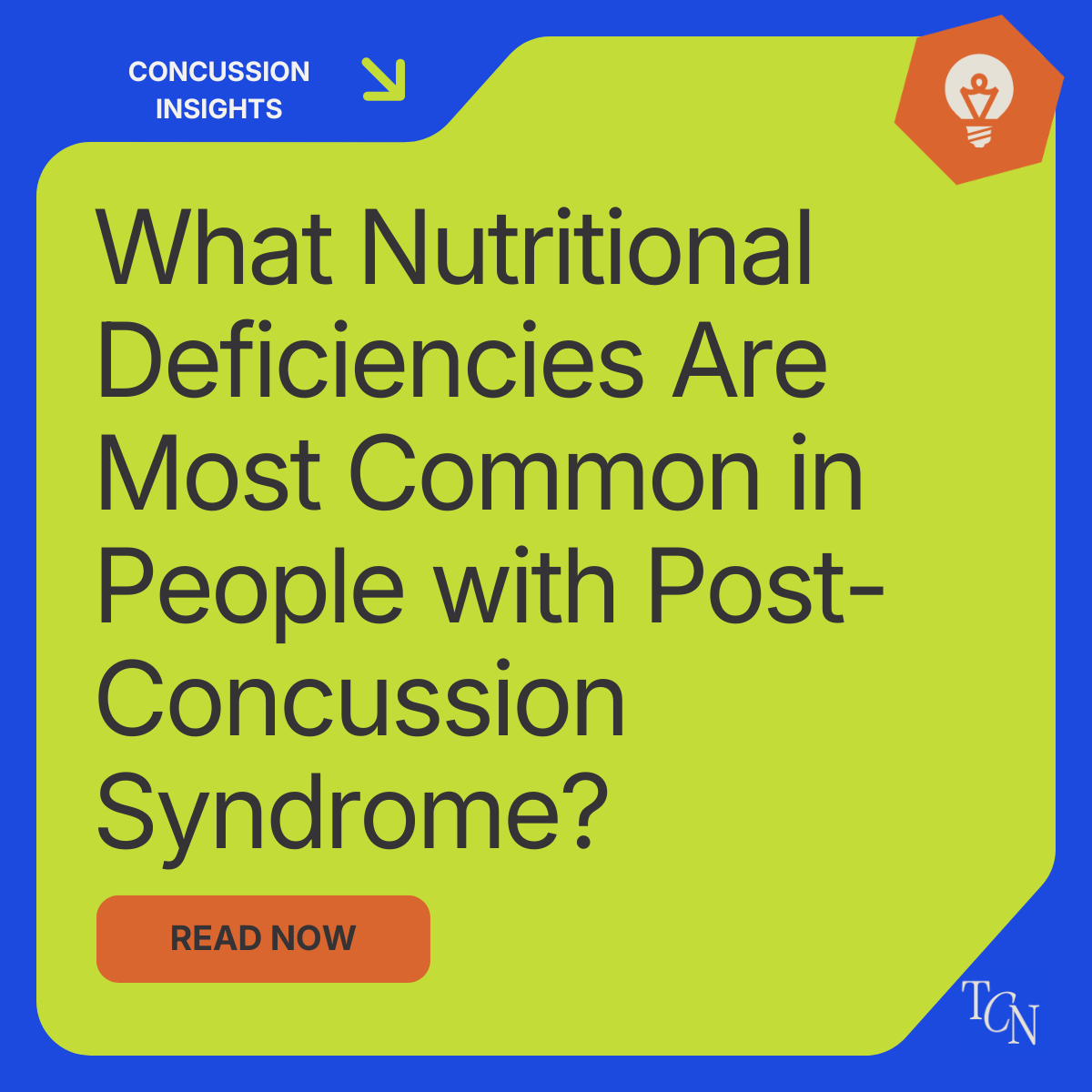
What Nutritional Deficiencies Are Most Common in People with Post-Concussion Syndrome?
Nutrition is too often treated as an afterthought in concussion recovery, when it is actually foundational. A brain trying to repair itself needs specific raw materials, and when those are missing, every other part of your recovery works less well than it should. The most commonly depleted nutrients are well described in the research, and they are worth assessing rather than guessing at
Still dealing with symptoms no one can explain?
Reading can give you clarity but working together gives you direction. If you’re ready for personalised, evidence-led care that treats the whole body, I’d love to support you.
Louise Cork | Clinical Naturopath | BHSc (Naturopathy) | Member of NHAA | Based in Ballarat, Victoria | Telehealth consultations Australia-wide, and internationally by arrangement.